
Reduced arterial blood supply
Narrowed or blocked arteries can limit the oxygen and nutrients required for tissue repair.
Specialized wound care
Comprehensive assessment and individualized care for chronic and complex wounds—combining vascular expertise, modern wound therapy and careful prevention.
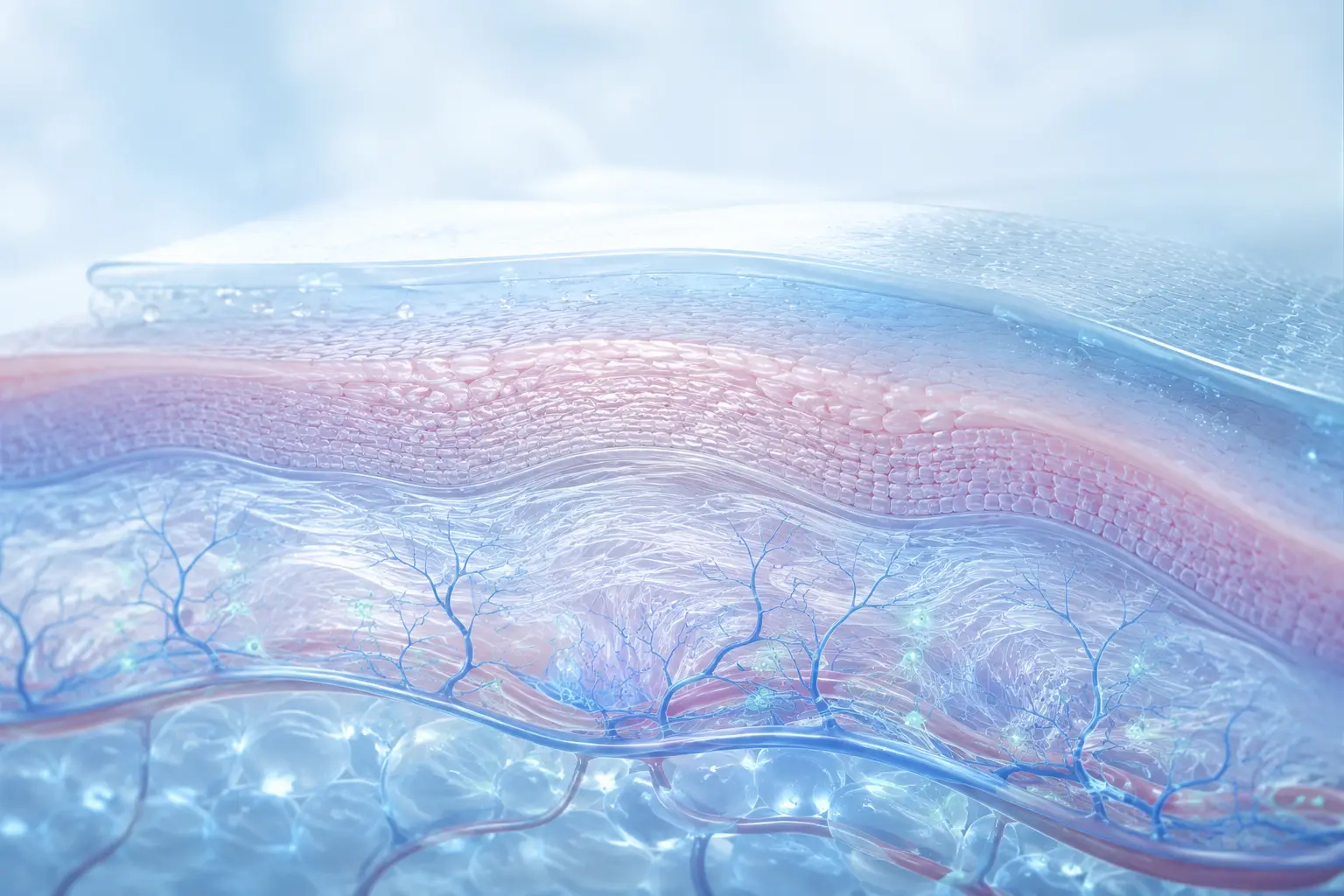
Why wounds persist
Advanced wound care begins by identifying why healing has stalled. Modern dressings, negative-pressure therapy, biological matrices, skin substitutes or skin grafting may then be considered when clinically appropriate. No single treatment is suitable for every wound.
Factors that delay healing
Narrowed or blocked arteries can limit the oxygen and nutrients required for tissue repair.
Raised venous pressure may cause swelling, skin changes and recurring ulceration around the lower leg or ankle.
Diabetes may affect circulation, sensation, immune defence and healing, while neuropathy can mask injury.
Persistent pressure, friction, lymphatic swelling or oedema can damage vulnerable skin and prevent closure.
Wounds we assess and treat
Wounds that remain unchanged, repeatedly deteriorate or return after closure require renewed assessment of their underlying cause.
Often accompanied by swelling, pigmentation, hardened skin, eczema, leakage and recurrent ulceration near the ankle.
Reduced circulation can cause pain, coldness, colour changes, tissue loss or gangrene. Local care alone may be insufficient.
Combined disease requires careful vascular assessment so compression and other treatments can be adapted safely.
Neuropathy, pressure, infection, deformity and impaired circulation may occur together and require coordinated care.
Pressure injury, wound dehiscence and skin defects may require offloading, staged wound preparation or reconstruction.
Chronic swelling, fragile skin and persistent leakage require oedema control, protection and long-term prevention.
Comprehensive assessment
The wound and the whole clinical picture are assessed together so treatment can be prioritized safely.
The wound history and relevant healing factors are reviewed.
Location, dimensions, wound-bed tissue, exposed structures, drainage, surrounding skin and signs of progress or deterioration are documented.
Pulses, Doppler, ankle or toe pressures, oxygen measurements and duplex imaging help evaluate arterial flow, venous disease and swelling.
Clinical findings guide microbiology, blood tests, X-rays or MRI when abscess, joint infection or osteomyelitis is suspected.
Unusual wounds or wounds that fail to respond may require biopsy or additional specialist assessment.
The advanced wound-care approach
If a wound does not progress as expected, the diagnosis and treatment plan must be reconsidered.
Identify the wound’s cause
Assess arterial and venous circulation
Control infection and inflammation
Remove non-viable tissue when appropriate
Manage pressure and swelling
Select suitable dressings
Add advanced therapy when indicated
Measure progress and prevent recurrence
Treatment journey
The wound, circulation, swelling, sensation, pressure exposure and infection risk are assessed; urgent threats are prioritized.
Vascular tests, imaging, wound investigations or laboratory examinations are arranged according to the findings.
Care first addresses poor circulation, venous pressure, infection, oedema or persistent mechanical pressure.
Specialized therapies may be added to a prepared wound, followed by regular measurement and recurrence prevention.
Frequently asked questions
Suitability depends on the wound, circulation, infection and the patient’s overall health.
Poor circulation, venous disease, diabetes, neuropathy, infection, swelling, pressure or several causes together may delay healing.
Arterial and venous circulation strongly influence healing and determine whether compression or vascular treatment is appropriate.
No. Antibiotics are used for clinical infection and do not replace debridement, circulation management, pressure relief or oedema control.
No. Arterial circulation must be assessed first, and compression may need to be modified or avoided when blood flow is reduced.
It uses controlled suction through a specialized dressing to manage fluid and support granulation in selected wounds.
They may be considered after circulation, infection, non-viable tissue, swelling and pressure have been addressed. They cannot guarantee closure.
When the wound bed has adequate blood supply, infection is controlled and closure with conservative care alone is unlikely to be efficient.
When to seek assessment
The information on this page is intended for general patient education and does not replace an individual medical examination, diagnosis or treatment recommendation. Procedure availability depends on the clinical indication and treating hospital.