Treatments Arterial & Aortic Treatments

Specialized arterial care

Restoring and protecting blood flow.

Comprehensive assessment and individualized treatment planning for arterial and aortic conditions—from medical management to minimally invasive endovascular procedures and open vascular surgery.

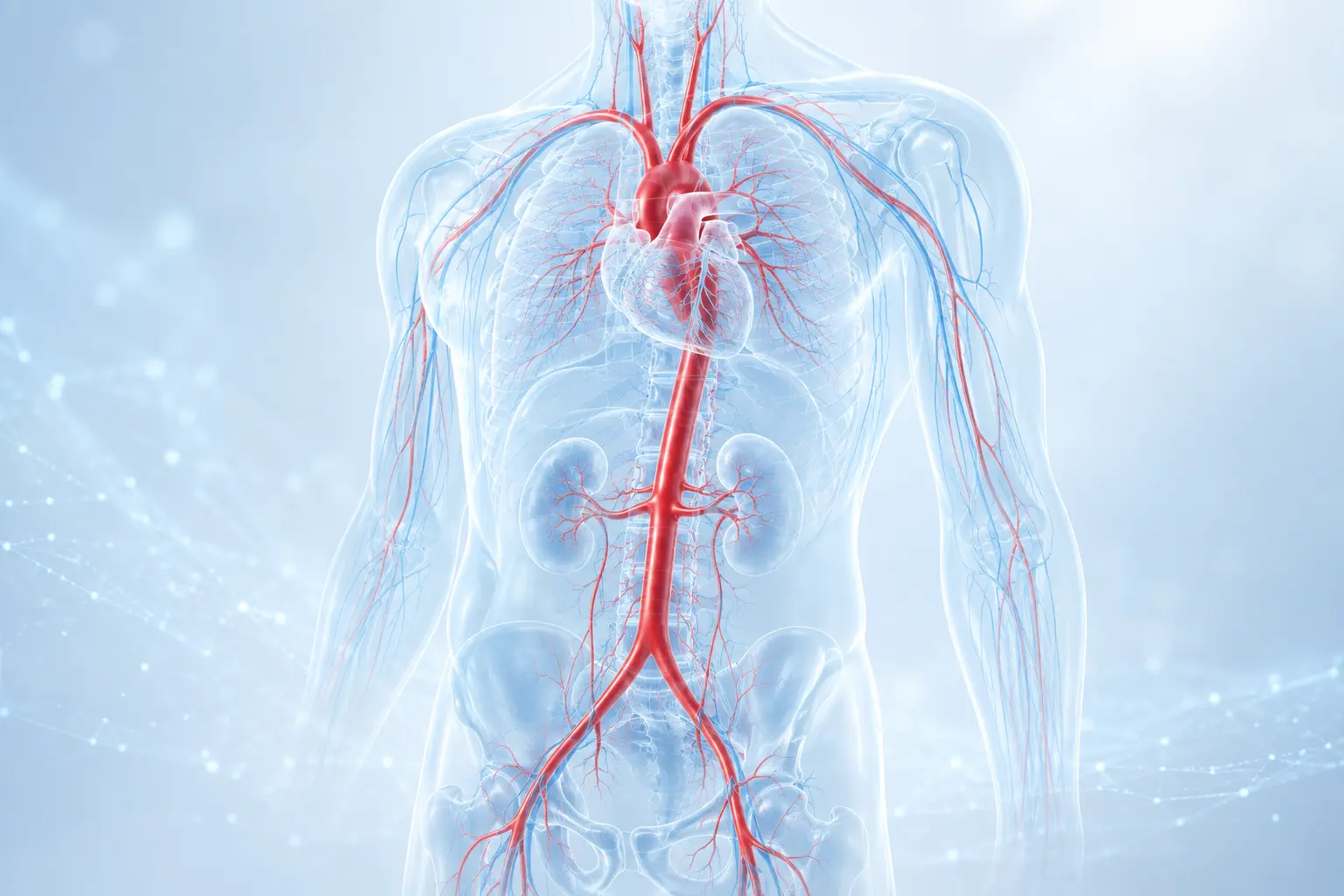
Medical anatomy visualisation of the aorta and major arterial branches
Individualized planningClinical assessment + vascular imaging

Understanding arterial disease

Protecting circulation from the aorta to the limbs.

Arterial disease can restrict blood flow to the legs, brain and other parts of the body. Conditions affecting the aorta may remain unnoticed for a long time but can become serious if an aneurysm enlarges or an acute complication develops. Treatment is selected according to the diagnosis, anatomy, symptoms and overall health.

Conditions we assess and treat

Specialist care for chronic and acute arterial conditions.

01

Peripheral Arterial Disease

Narrowing or blockage of the arteries supplying the legs may limit walking, affect the skin and impair wound healing. Some patients have significant disease without noticeable symptoms.

  • Pain or cramping in the calf, thigh or buttock while walking
  • Reduced walking distance
  • Coldness or numbness in the foot
  • Weak or absent pulses
  • Changes in skin colour
  • Slow-growing toenails or loss of leg hair
  • Wounds that heal poorly
  • Pain in the foot or leg at rest, particularly at night
02

Chronic Limb-Threatening Ischaemia

Severely reduced blood flow may cause persistent rest pain, non-healing wounds, ulcers or tissue damage. Prompt specialist assessment is important to evaluate restoration of blood flow and limb preservation.

03

Acute Limb Ischaemia

A sudden reduction in blood supply to an arm or leg is a medical emergency requiring immediate assessment and treatment to protect the affected limb.

04

Carotid Artery Disease

Narrowing of the arteries supplying the brain may increase the risk of a transient ischaemic attack or stroke and may cause no symptoms before a neurological event.

05

Aortic Aneurysms

An abnormal enlargement of the abdominal or thoracic aorta may require regular monitoring or repair depending on its size, location, growth and individual risk.

06

Other Arterial Conditions

Specialist assessment is also available for upper-limb arterial narrowing, popliteal aneurysms, arterial embolism or thrombosis, complications after previous procedures, and narrowing or blockage of a vascular bypass or stent.

Diagnostic assessment

Accurate diagnosis guides the safest treatment.

The examination and imaging are selected according to the suspected condition and the information needed for treatment planning.

01

Medical consultation

Your symptoms, vascular history and cardiovascular risk factors are reviewed.

  • Current symptoms and their effect on daily activities
  • Previous vascular procedures and surgical history
  • Smoking history
  • Diabetes, high blood pressure and cholesterol
  • Current medication and kidney function
  • Family history of arterial or aortic disease
02

Clinical vascular examination

The assessment may include pulses, skin temperature, colour, wounds and differences in blood pressure between the limbs.

03

Ankle–brachial pressure index

Blood pressure at the ankle is compared with the arm to help identify reduced arterial circulation in the legs.

04

Vascular ultrasound

Duplex ultrasound combines imaging with blood-flow measurement to identify narrowing, blockage, aneurysms and problems affecting previous vascular reconstructions.

05

Angiographic imaging

CT or MR angiography may provide detailed treatment-planning information. In selected cases, catheter angiography can allow diagnosis and endovascular treatment during the same procedure.

Treatment options

Medical, endovascular or open surgical care.

No single treatment is suitable for every arterial or aortic condition. Recommendations are based on symptoms, severity, anatomy, imaging findings, general health and the expected benefits and risks.

01Medical care

Cardiovascular Risk Management

Treatment may include smoking cessation, blood-pressure control, cholesterol-lowering therapy, diabetes management and antiplatelet or other antithrombotic medication when indicated. Medication is selected according to the individual condition and bleeding risk.

02Walking programme

Structured Exercise Therapy

For suitable patients with intermittent claudication, a structured walking or exercise programme can improve walking distance and reduce symptoms. It may be used alone or combined with medical and interventional treatment.

03Endovascular

Balloon Angioplasty

A catheter with a small balloon is guided to a narrowed or blocked artery. The balloon is inflated to widen the affected area and improve the passage of blood.

04Endovascular

Arterial Stent Placement

A small supporting tube is placed inside an artery to help keep it open. Stenting may be performed with angioplasty when the location and characteristics of the disease make it appropriate.

05Open surgery

Surgical Endarterectomy

Obstructive plaque is removed from an artery through an open surgical approach. This may be considered for selected blockages, including disease affecting the carotid or femoral arteries.

06Open surgery

Arterial Bypass Surgery

A new route is created around a blocked or severely narrowed artery using the patient’s own vein or a synthetic graft. The choice depends on the location, available vessels and individual circumstances.

07Emergency care

Treatment of Acute Arterial Blockage

Depending on the cause, duration and severity, emergency treatment may involve surgical or catheter-based clot removal, clot-dissolving treatment in selected patients, angioplasty, stenting or bypass surgery.

08Stroke prevention

Carotid Endarterectomy

Plaque is removed from a narrowed carotid artery through an open surgical approach. It may be recommended for carefully selected patients when the expected reduction in stroke risk outweighs the procedural risk.

09Endovascular

Carotid Artery Stenting

A minimally invasive alternative for selected patients with carotid narrowing. The choice between medication, endarterectomy and stenting depends on symptoms, anatomy, age, general health and procedural risk.

10EVAR / TEVAR

Endovascular Aneurysm Repair

A stent graft is introduced through the arteries and positioned inside the aorta to exclude a suitable abdominal or thoracic aneurysm from the circulation. Regular imaging follow-up is required.

11Open surgery

Open Aortic Repair

The affected section of the aorta is replaced with a vascular graft. Open repair may be recommended when endovascular treatment is unsuitable or when it is expected to provide the most appropriate long-term result.

Long-term vascular health

Managing cardiovascular risk factors.

Arterial disease is often part of a wider cardiovascular condition. Risk-factor management and appropriate medication remain important whether or not an intervention is required.

01

Smoking cessation

02

Blood pressure control

03

Cholesterol-lowering treatment

04

Diabetes management

05

Regular physical activity

06

Weight and nutritional management

Treatment journey

Clear guidance and long-term follow-up.

01

Consultation and assessment

Symptoms, medical history and cardiovascular risk factors are reviewed. A vascular examination and appropriate diagnostic tests are arranged.

02

Individual treatment plan

The findings, suitable options, expected benefits, possible risks and alternatives are explained clearly.

03

Medical, endovascular or surgical care

Treatment may range from medication and structured exercise to a minimally invasive intervention or open surgery.

04

Follow-up and long-term care

Continued surveillance may include clinical examination, vascular ultrasound or CT imaging, depending on the condition and treatment.

Frequently asked questions

Clear answers for informed decisions.

Your personal recommendation depends on the diagnosis, anatomy, symptoms, imaging findings and overall health.

Does peripheral arterial disease always require surgery?+

No. Many patients are initially treated with risk-factor management, medication and structured exercise. An intervention may be considered when symptoms significantly affect daily life or blood flow is severely reduced.

What is the difference between angioplasty and bypass surgery?+

Angioplasty treats an artery from inside using a catheter and balloon, sometimes with a stent. Bypass surgery creates a new route around the blocked artery. The most appropriate method depends on the location and extent of disease.

Does every aortic aneurysm require treatment?+

No. Smaller aneurysms may be monitored with regular imaging. Repair may be considered according to size, growth, shape, location, symptoms and the patient’s individual risk.

What is the difference between EVAR and open aortic repair?+

EVAR treats an aneurysm from inside the blood vessels using a stent graft. Open repair replaces the affected section of the aorta surgically. Each method has specific benefits, limitations and follow-up requirements.

How is carotid artery narrowing treated?+

Treatment may include medication and management of cardiovascular risk factors. Selected patients may benefit from carotid endarterectomy or carotid artery stenting.

Will I need follow-up after treatment?+

Yes. Follow-up is important after most arterial and aortic procedures. The required examinations depend on the condition and treatment performed.

Can arterial disease return after successful treatment?+

A treated artery can remain open for many years, but arterial disease is chronic and may progress in other areas. Long-term risk-factor management and follow-up therefore remain important.

When to seek assessment

Symptoms that deserve specialist attention.

  • Leg pain or cramping while walking
  • Reduced walking distance
  • Persistent coldness or numbness in a foot
  • Pain in the foot or toes at rest
  • A non-healing wound
  • Sudden temporary weakness or loss of vision
  • A known arterial narrowing or aneurysm
  • New symptoms after a previous vascular procedure