Treatments Vein Treatments

Specialized venous care

Modern care for healthier veins.

Individualized assessment and treatment for superficial venous conditions—from symptomatic varicose veins to small veins that may be an aesthetic concern.

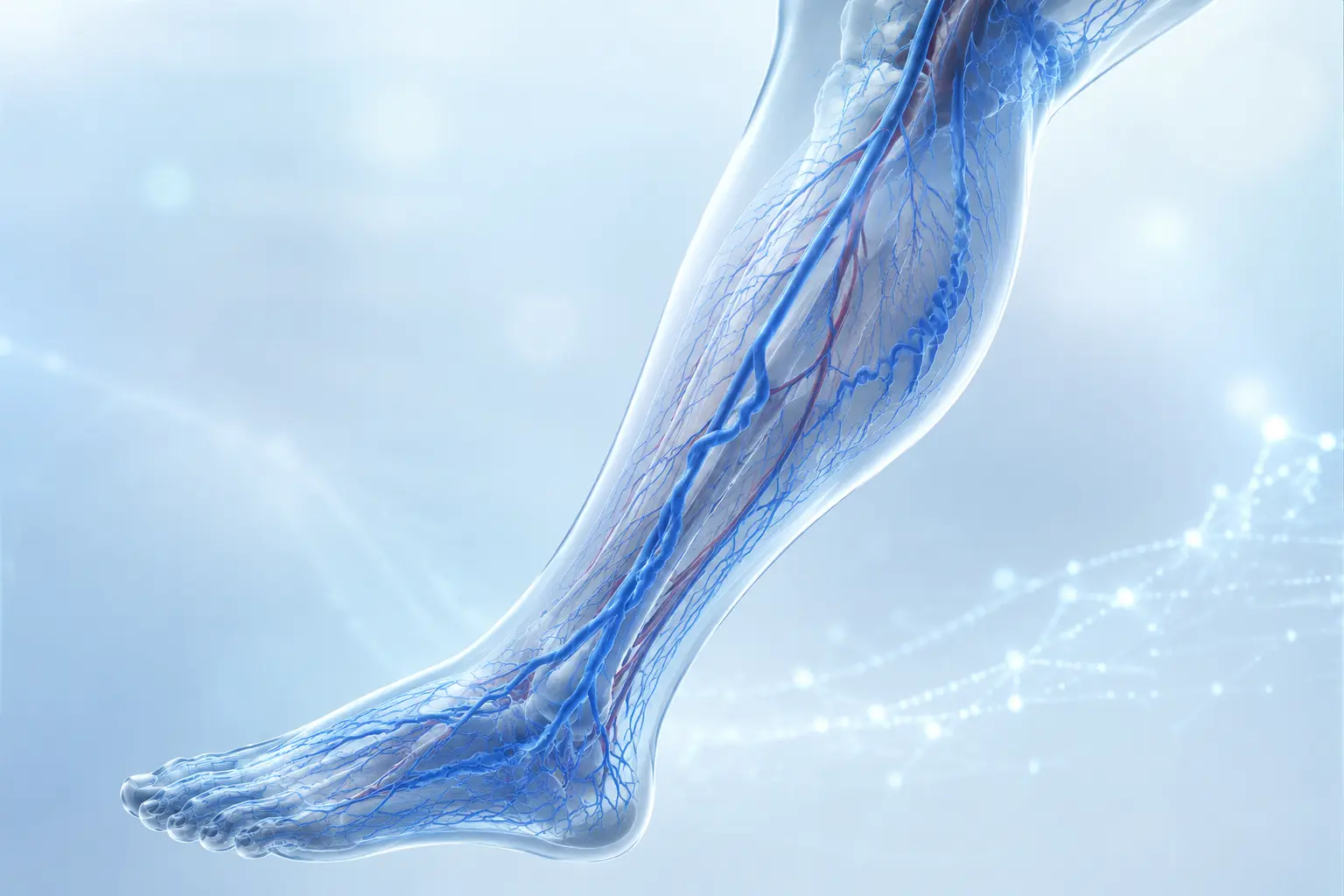
Medical anatomy visualisation of the venous system of the lower leg
Individualized planningClinical assessment + duplex ultrasound

Understanding venous disease

From visible veins to medical symptoms.

Venous conditions can range from small, cosmetically concerning spider veins to symptomatic varicose veins and chronic venous insufficiency. The aim of treatment is to relieve symptoms, improve venous function, help prevent complications and, where relevant, achieve a natural aesthetic result.

Conditions we treat

Care guided by your symptoms, anatomy and goals.

01

Varicose Veins

Enlarged, twisted veins most commonly develop in the legs. They may be visible without discomfort or cause symptoms and complications.

  • Heaviness or aching in the legs
  • Swelling around the ankles
  • Throbbing, burning or itching
  • Night-time cramps
  • Discomfort after prolonged standing or sitting
  • Skin discolouration or inflammation
  • Recurrent superficial vein inflammation
  • Venous ulcers in advanced cases
02

Recurrent Varicose Veins

Veins may reappear after previous treatment. Examination and duplex ultrasound help identify reopening, progression of disease or new abnormal pathways.

03

Spider and Reticular Veins

These small superficial vessels are often an aesthetic concern, but may occasionally be linked to discomfort or an underlying venous problem.

04

Veins in Cosmetically Sensitive Areas

Recommendations depend on location, vessel size and depth, surrounding anatomy and individual goals.

  • The face
  • The nose
  • The hands
  • The lower limbs

Your vein assessment

Successful treatment begins with an accurate diagnosis.

Clinical findings and, when medically indicated, duplex ultrasound form the basis of an individualized treatment plan.

01

Medical consultation

Your history, symptoms and goals are reviewed in detail.

  • Current symptoms and personal treatment expectations
  • Previous vein treatments and surgical history
  • Current medication
  • Previous thrombosis or blood-clotting disorders
  • Family history of venous disease
  • Lifestyle and occupational factors
02

Clinical examination

The legs and visible veins are examined to assess their distribution and identify swelling, skin changes or other signs of venous disease.

03

Duplex ultrasound

This painless, non-invasive examination evaluates vein structure, blood-flow direction and valve function. It helps identify venous reflux or obstruction and guides treatment planning.

Treatment options

The right treatment is individual.

Not every visible vein requires treatment, and no single procedure suits every patient. The choice is based on clinical findings, ultrasound results, vein anatomy, symptoms and personal needs.

01EVLA

Endovenous Laser Ablation

A thin laser fibre is introduced into an incompetent superficial vein under ultrasound guidance. Controlled thermal energy seals the affected vessel, and blood is naturally redirected through healthy veins.

02RFA

Radiofrequency Ablation

Controlled thermal energy is delivered through a catheter to close an abnormal superficial vein. The procedure is performed under ultrasound guidance for suitable patients with venous reflux.

03VenaSeal

Medical Adhesive Closure

A specially developed medical adhesive is delivered through a catheter to seal the affected vein. As the procedure does not use thermal energy, it may be an alternative to heat-based ablation in appropriately selected patients.

04Foam treatment

Ultrasound-Guided Foam Sclerotherapy

A sclerosant prepared as a foam is injected into the affected vein under ultrasound guidance. This may be suitable for selected varicose veins, recurrent veins or vessels with anatomy less suited to other procedures.

05Small-vessel treatment

Microsclerotherapy

A sclerosant is injected precisely into small spider or reticular veins. Several sessions may be required depending on the number, size and distribution of the vessels.

06Transcutaneous laser

Vascular Laser Therapy

Laser therapy applied through the skin may be considered for selected small superficial veins, particularly in cosmetically sensitive areas. Suitability depends on vessel type, skin characteristics and location.

07Targeted vein removal

Ambulatory or Mini Phlebectomy

Visible side-branch varicose veins are removed through very small skin openings using specialized instruments. This may be performed alone or combined with treatment of an underlying incompetent vein.

08Individual planning

Vein-Preserving Treatment

In selected patients, treatment may preserve suitable veins while correcting abnormal venous circulation. The decision is based on individual anatomy, ultrasound findings and long-term objectives.

Conservative management

Supporting vein health in daily life.

Some patients may initially benefit from non-procedural measures. These can help reduce symptoms, but do not replace assessment when significant reflux, skin changes or complications are suspected.

01

Regular walking and physical activity

02

Avoiding prolonged immobility

03

Elevating the legs when appropriate

04

Weight management

05

Individualized compression therapy

06

Skin care when chronic venous changes are present

Treatment journey

Clear guidance at every stage.

01

Consultation and diagnosis

Your symptoms, medical history and treatment goals are discussed. A clinical examination and, when indicated, duplex ultrasound are performed.

02

Individual treatment plan

The findings and suitable options are explained clearly, including expected benefits, limitations, possible risks and alternatives.

03

Treatment

Many vein procedures can be performed using minimally invasive techniques. The setting and anaesthesia depend on the selected procedure and the individual patient.

04

Follow-up

Follow-up is arranged according to the treatment performed. Additional ultrasound assessment or staged treatment may be recommended when medically appropriate.

Frequently asked questions

Clear answers for informed decisions.

Your personal recommendation may differ according to examination and ultrasound findings.

Do all varicose veins require treatment?+

No. Treatment depends on symptoms, clinical findings, complications and personal concerns. An assessment determines whether observation, conservative management or an intervention is appropriate.

Which treatment is best for me?+

The most suitable method depends on the affected veins, ultrasound findings, previous treatments, symptoms and overall health. Treatment is therefore selected individually.

Are vein treatments only cosmetic?+

No. Visible veins may be primarily cosmetic, but varicose veins can also cause pain, swelling, skin damage, inflammation, bleeding or venous ulcers.

Will treated veins return?+

A successfully closed or removed vein is no longer functional. However, venous disease can progress and new varicose veins may develop over time, so follow-up can remain important.

How many sessions will I need?+

The number of sessions depends on the extent of the condition and the selected treatment. Small superficial veins may require several staged sessions.

How quickly can I return to normal activities?+

Recovery varies according to the procedure and the individual patient. Specific advice about walking, work, exercise, compression and wound care is provided after treatment.

Does treatment leave scars?+

Minimally invasive procedures are designed to limit skin incisions. Temporary marks or, less commonly, small permanent scars remain possible and are discussed before treatment.

When to seek assessment

Symptoms that deserve specialist attention.

  • Painful or increasingly prominent varicose veins
  • Persistent leg heaviness, aching or swelling
  • Skin discolouration, hardening or eczema around the ankle
  • A lower-leg wound that is slow to heal
  • Recurrent inflammation of superficial veins
  • Bleeding from a varicose vein
  • Recurrence after previous vein treatment